10 Period Self-Care Tips That Actually Help
Let’s be honest: period self-care advice is usually… underwhelming.
“Drink water.” “Rest.” “Have a bath.”
Helpful? Sure.
Enough when you’re bloated, crampy, exhausted, emotionally fragile, and questioning every life decision? Not really.
Your period is a real physiological event. Hormones drop. Inflammation increases. Your nervous system is more sensitive. Which means the way you take care of yourself during this phase actually matters.
These are science-backed, realistic period self-care tips that support your body, your energy, and your mood, without asking you to become a completely different person for five days.
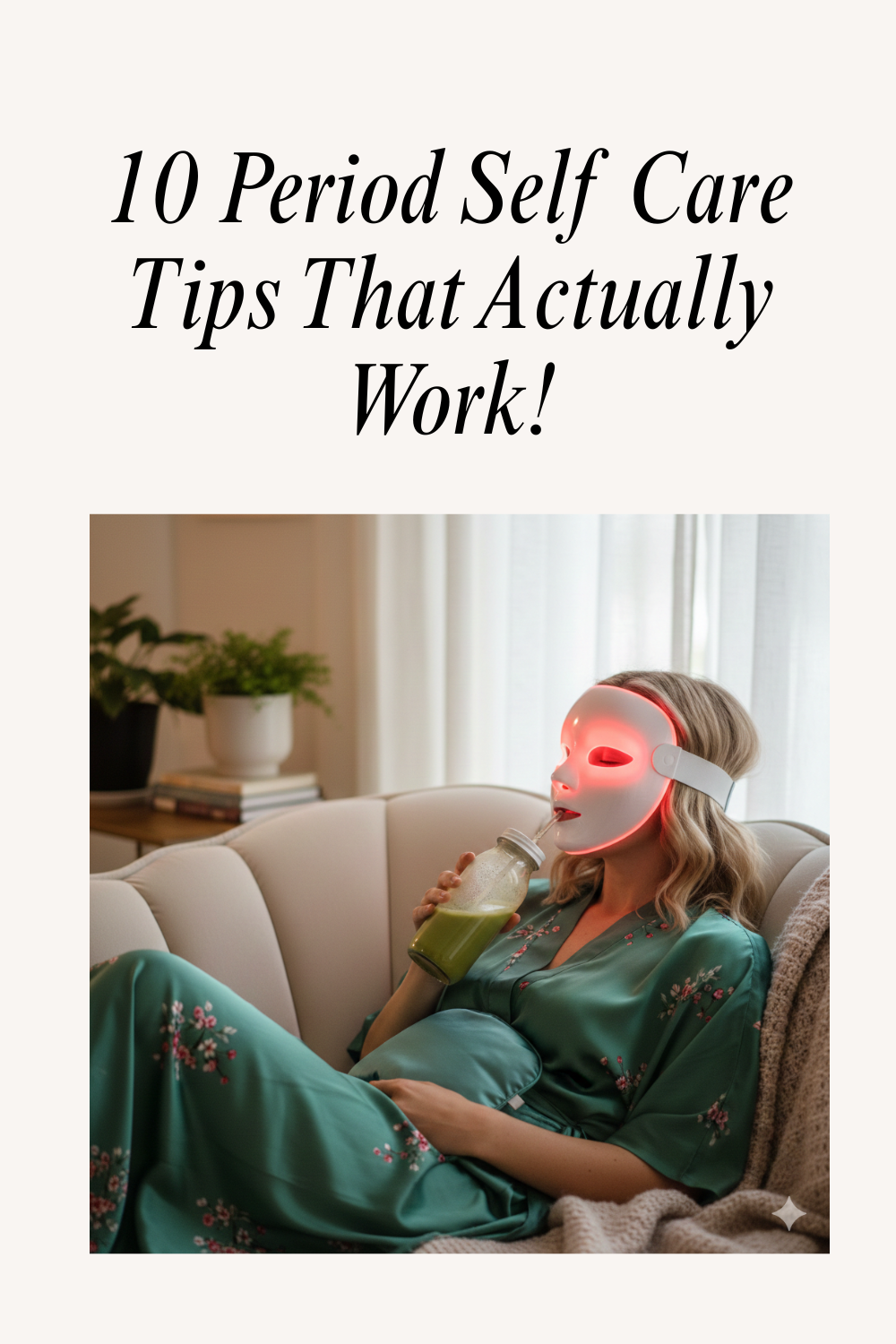
1. Swap Coffee for Matcha (Your Hormones Will Thank You)
This one’s number one for a reason.
During your period, estrogen is low and cortisol sensitivity is higher, which means coffee can feel extra intense. Think jitters, anxiety, crashes, and worse cramps.
Matcha, on the other hand:
Contains L-theanine, which promotes calm focus
Releases caffeine more slowly (no spike + crash)
Has anti-inflammatory antioxidants (hello, cramp support)
I love Reformed Collagen Matcha because it goes one step further. it’s packed with collagen and nutrients that support skin, joints, and overall recovery when your body is under more stress.
This simple swap supports your energy and your nervous system, without asking you to give up your morning ritual (because let’s be real, that’s not happening).
2. Prioritise Magnesium (Especially If You Get Cramps)
Magnesium helps relax muscles and regulate the nervous system, which is why it’s one of the most researched supplements for menstrual cramps.
Low magnesium levels are linked to:
Increased cramping
Headaches
Poor sleep
Heightened anxiety
You can support magnesium levels by:
Taking a supplement (magnesium glycinate is gentle)
Eating leafy greens, dark chocolate, nuts, and seeds
Using magnesium body spray on your lower abdomen or calves
This is one of those “small change, big relief” habits.
ALSO READ: The bare minimum daily wellness checklist
3. Eat Warm, Nourishing Foods (Not Just Salad)
During your period, your body is literally shedding tissue and repairing itself. Cold, raw foods can be harder to digest and may increase bloating for some people.
Instead, focus on:
Warm meals (soups, stews, oatmeal)
Protein for blood sugar stability
Iron-rich foods (lentils, spinach, red meat if you eat it)
This isn’t about restriction, it’s about supporting your body’s needs in this phase, not forcing it into “normal mode.”
4. Lower the Intensity of Your Workouts
This is backed by both physiology and common sense.
When estrogen and progesterone are low, recovery capacity is lower. High-intensity workouts can feel harder and increase fatigue rather than boost energy.
Instead, try:
Walking
Gentle Pilates
Stretching
Yoga
You’re not “being lazy.” You’re working with your cycle instead of against it, which actually supports consistency long-term.
5. Support Your Nervous System (Your Emotions Aren’t Random)
If you feel more sensitive, emotional, or easily overwhelmed on your period, that’s not a mindset problem. It’s biology.
Hormonal shifts affect neurotransmitters like serotonin, which directly influence mood.
Simple nervous system support:
Deep breathing (long exhales calm the body)
Gentle music or silence
Reducing stimulation where possible
Self-care during your period isn’t about pushing through, it’s about creating safety.
6. Use Heat (There’s a Reason It Works)
Heat increases blood flow and relaxes uterine muscles, which can reduce cramping intensity.
Options that actually help:
Hot water bottles
Heated pads
Warm showers or baths
It’s simple, but it’s genuinely effective, and supported by research.
7. Keep Blood Sugar Stable
Blood sugar dips can worsen:
Fatigue
Mood swings
Cravings
This is why skipping meals or living on sugar during your period can backfire.
Aim for:
Protein with every meal
Balanced snacks
Regular eating (even if appetite changes)
Stability = less stress on the body.
8. Be Gentle With Your Schedule
Your brain processes stress differently during your period. Expecting peak productivity can create unnecessary pressure.
If you can:
Reduce non-essential commitments
Avoid big decisions
Create more space
This is self-respect, not weakness.
9. Support Your Gut (It Affects Everything)
Hormones influence gut motility, which is why bloating and digestion issues are common during your period.
Helpful habits:
Staying hydrated
Eating fibre-rich foods
Avoiding excess caffeine and alcohol
Your gut and hormones are deeply connected, supporting one helps the other.
10. Drop the Guilt
This might be the most important tip.
Your body is doing something incredibly demanding every month. You don’t need to “earn” rest or justify taking things slower.
Period self-care isn’t indulgent. It’s responsive.
And when you respond to your body instead of fighting it, everything feels easier.
Simple swaps (like choosing matcha over coffee), nervous system care, and nourishment can genuinely change how you feel during this time.
You don’t need to overhaul your life for your period. You just need to work with your body instead of against it.